Source Sugar-Free Red Ginseng Oral Strips for Energy and Focus
Compare 30 listings for Sugar-Free Red Ginseng Oral Strips from verified manufacturers in China. Buyers can evaluate certifications, customization options, and pricing for bulk orders of these functional supplements; compare the available evidence and request quotations based on your requirements.
Key considerations
Products List


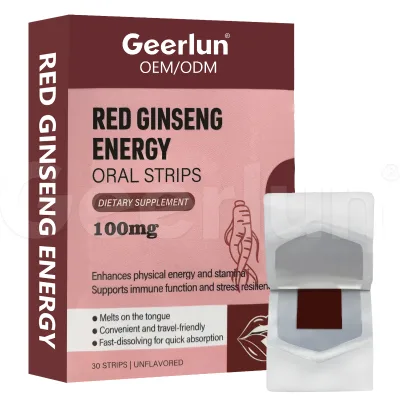
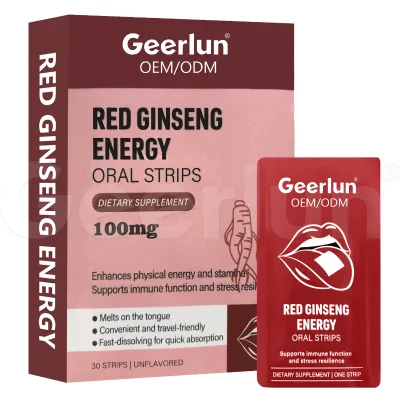
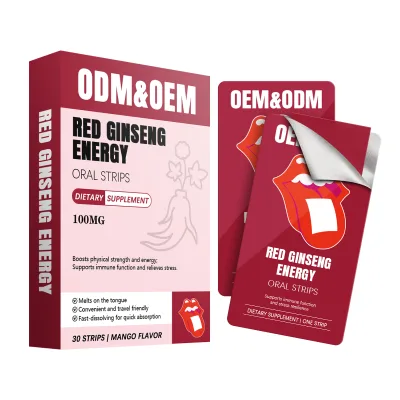
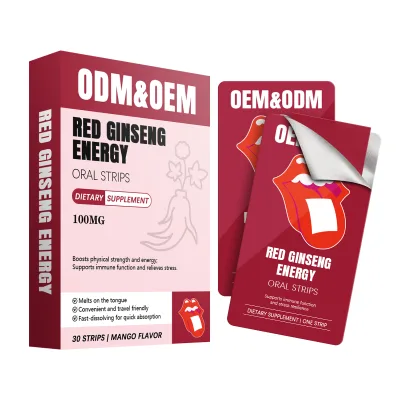
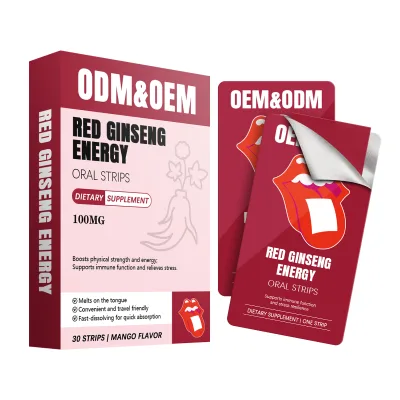




Comprehensive Sourcing Guide
Sugar-Free Red Ginseng Oral Strips Sourcing Guide
Buyers must first distinguish between general oral strip formats and specific formulations like the Red Ginseng Propolis variant observed in listings. The available data indicates a clear market segment for sugar-free, low-fat products targeting adults, with specific restrictions for pregnant women and children. This distinction is critical because the "Not Applicable People" attribute explicitly excludes vulnerable demographics, requiring procurement teams to verify that their target market aligns with these safety constraints before initiating any order.
Procurement strategies should also account for the diverse packaging and customization options available, ranging from bottle formats to box configurations with specific strip counts. The presence of OEM and ODM capabilities suggests that buyers can tailor the product model, such as the LK-3022 or WXW-01 variants, to their brand requirements. However, the variability in packaging standards, such as 10 or 30 strips per box, necessitates a precise definition of the final unit count to avoid discrepancies in inventory planning and retail presentation.
Product Scope and Observed Listing Signals
The observed product scope centers on functional oral strips designed for specific health outcomes, including energy provision, mental clarity, and metabolic support. Listings confirm the availability of Red Ginseng Propolis, Maca Root, and Mushroom extracts, all categorized as food products with a primary function in cosmetology or general wellness. Buyers should note that while the core keyword focuses on Red Ginseng, the market offers a broader portfolio of similar oral films, requiring careful selection to ensure the specific ingredient profile matches the intended therapeutic or nutritional goal.
Signal analysis reveals that customization is a dominant feature, with suppliers offering natural or customized flavors and private label services. The "With Logo Printing" attribute and flexible packaging options indicate a mature supply chain capable of supporting brand differentiation. However, the wide range of observed MOQs, from single units to 500,000 pieces, suggests that buyers must align their order volume with the supplier's capacity, as high-volume orders may trigger different production lines or pricing structures compared to smaller trial batches.
Technical Specifications to Verify
Technical verification must begin with the dosage regimen, as listings specify a consumption rate of one to two strips per day for the Red Ginseng Propolis variant. Buyers need to confirm that the specific model number, whether it is LK-3022 or another identifier, corresponds to the correct dosage instructions and strip dimensions. The "1 Strips" dose mentioned for other variants highlights the need to validate the exact serving size for each product model to ensure consistency with the intended daily intake and user compliance.
Storage and shelf-life parameters are equally critical, with observed requirements for cool, dry, or shady places and a standard shelf life of 24 months. The "Moisture Proof" storage note and "Carton" or "Box" packing specifications indicate that the product is sensitive to environmental humidity, necessitating strict logistics controls during transit. Procurement teams must verify that the supplier's packaging integrity meets these moisture-proof standards to prevent degradation of the active ingredients like Red Ginseng or Propolis during the supply chain journey.
Compliance and Safety Documentation
Compliance verification requires a rigorous review of the certification suite, which consistently includes GMP, HACCP, ISO, and QS standards across the observed listings. These certifications are not merely marketing claims but essential indicators of a manufacturing environment that adheres to strict hygiene and quality management protocols. Buyers should request current, valid certificates for each production batch to ensure that the facility maintains these standards continuously, particularly given the product's classification as a food item intended for human consumption.
Safety documentation must also address the specific exclusion criteria listed for pregnant women, newborns, and children. The "Not Applicable People" attribute serves as a critical safety warning that must be reflected in all labeling and marketing materials to prevent misuse. Procurement contracts should explicitly mandate that the supplier includes these contraindications on the final packaging, ensuring that the product is marketed and distributed only to the appropriate adult demographic as defined by the manufacturer's safety data.
Cost Drivers and Commercial Terms
Cost structures are heavily influenced by the customization level and order volume, with MOQs ranging from 1 to 500,000 pieces creating a wide spectrum of pricing tiers. High-volume orders likely benefit from economies of scale, but the specific price range of 0.01 to 90.4 USD observed suggests significant variance based on ingredient purity, packaging complexity, and branding requirements. Buyers must negotiate based on the specific model and ingredient concentration, as the cost of Red Ginseng and Propolis extracts will differ substantially from other herbal alternatives like Maca or Curcumin.
Commercial terms must clearly define the service scope, including OEM, ODM, and private label capabilities, which are explicitly offered by the suppliers. The availability of customized flavors and logo printing adds value but may introduce additional setup costs or lead time extensions. Procurement agreements should specify the timeline for these customizations and the associated fees to ensure that the final product delivery aligns with the buyer's market launch schedule and budget constraints.
Supplier Qualification and Quality Control
Supplier qualification should prioritize facilities located in Guangzhou or Guangdong, China, as these regions are the documented origins for the observed product models. The concentration of manufacturers in these areas suggests a robust ecosystem for oral strip production, but buyers must verify the specific factory address and audit the production line to ensure it matches the claimed capabilities. The "Place of Origin" field is a key identifier that helps trace the supply chain and assess the logistical feasibility of importing the goods.
Quality control protocols must be validated through the supplier's adherence to the listed standards, including GMP and HACCP, which govern the entire production process from raw material sourcing to final packaging. Buyers should request third-party test results for the main ingredients, such as Red Ginseng and Propolis, to verify potency and purity levels. The "Customization" attribute implies that quality checks must be performed on the specific batch produced for the buyer, rather than relying solely on generic product samples.
Long-Term Procurement Checks
Long-term procurement success depends on maintaining consistent quality across multiple production cycles, especially when utilizing private label services. Buyers should establish a protocol for periodic re-verification of certifications and ingredient specifications to ensure that the supplier does not drift from the agreed-upon standards over time. The 24-month shelf life requires a stable supply chain that can deliver fresh stock without compromising the product's integrity, necessitating regular inventory turnover checks.
Strategic partnerships should also account for the evolving nature of the oral strip market, where new models like the O-7 or LK-3022 may emerge with updated formulations. Buyers must stay informed about changes in the "Main Ingredient" profiles, such as shifts from Red Ginseng to other extracts, to ensure their product offerings remain competitive. Regular communication with the supplier regarding production capacity and lead times will help mitigate risks associated with supply disruptions or sudden changes in regulatory requirements.
FAQs
How should Sugar-Free Red Ginseng Oral Strips be stored?
Store the strips in a cool, dry place away from moisture, as moisture can soften the film and affect dissolution. Many listings specify moisture-proof packaging with boxes or bottles, and shelf life is commonly stated as 24 months. Keep boxes sealed after each use and avoid bathrooms or refrigerators where condensation forms, especially in humid climates.
What is the typical dosage for red ginseng oral strips?
Listings commonly state a dose of one to two strips per day, with some energy-focused variants recommending a single strip. Because the strip dissolves directly on the tongue, no water is needed. Follow the specific product label and any applicable regulations, and consult a professional if you combine the strips with other ginseng supplements.
What certifications do manufacturers of these oral strips typically hold?
Suppliers in this category commonly list certifications such as GMP, HACCP, ISO, and QS, which relate to food manufacturing hygiene and quality management. Certification scope varies by facility, so ask each manufacturer for current certificates and confirm they cover the production line used for your oral strips. Also request ingredient and batch documentation before sampling.
Can Sugar-Free Red Ginseng Oral Strips be customized with a private label?
Yes, customization and OEM or ODM private label service are widely offered in this category. Buyers can usually customize flavor, packaging format such as boxes or bottles, logo printing, and strip count per box, for example 10 or 30 strips. Confirm minimum order quantities, artwork requirements, and formulation options with each manufacturer before placing a trial order.
Which ingredients are used in these oral strips besides red ginseng?
The main active ingredient is red ginseng propolis extract in the flagship product, while related strips use maca powder, mushroom extract, saffron extract, or curcumin extract. Many formulas are marketed as low-fat and sugar-free with natural or customized flavors. Request a full ingredient declaration and allergen statement from the manufacturer for each formulation you plan to source.
Are there people who should avoid taking red ginseng oral strips?
Listings commonly mark these products as not applicable to pregnant women, newborns, and children, and they are positioned for adults. Because ginseng can interact with medications and health conditions, adults who are pregnant, nursing, or under treatment should consult a healthcare professional first. Always follow the product label warnings required in your destination market.
What packaging options are available for bulk orders?
Suppliers typically pack oral strips in boxes, with common standards of 10 or 30 strips per box, and bottles are also offered in this category. Cartons are used for outer shipping packaging. Sizes can be customized, and logo printing is commonly available. Confirm inner box dimensions, carton counts, and moisture-proof requirements when requesting quotations from manufacturers.
How long is the shelf life of these oral strips?
Listings in this category commonly state a shelf life of 24 months when the product is stored in a cool, dry place under moisture-proof conditions. Shelf life can vary by formulation and packaging, so verify the printed expiry date and storage instructions on the actual product. Request stability documentation from the manufacturer for longer contract commitments.